The evidence-first guide for lifters over 50
Strength training over 50: get stronger, starting this week
How heavy to lift, how often to train and which moves suit your knees, back and bones. Every answer links the study or guideline behind it.
Find your first workout How we research
- Primary sources linked in every guide, next to the number
- Dated: published and last-checked dates on every page
- Written for you in the US, UK, Canada and Australia, with your national guideline named
Straight answers to the questions you search for
Each guide takes one question, answers it in the first sentence, then gives you the evidence, a worked example and a first set you can do today.
-
Starting from zero
Your first four weeks laid out: how heavy, how many sets, how often, and the signs it is working.
How much weight should I lift at 55? Can I still build muscle after 60?
Guides on starting from zero -
Women, menopause and muscle
Lift through menopause with a plan built on the trials, including the "lift heavy" studies everyone quotes.
Does strength training help menopause weight gain? Is heavy lifting safe with low bone density?
Guides on women, menopause and muscle -
Bones, balance and falls
Train with osteopenia or osteoporosis, build balance at the kitchen counter and get up off the floor with ease.
Which exercises should I avoid with osteoporosis? Do weighted vests protect bone?
Guides on bones, balance and falls -
Creatine, protein and food
The doses, timing and side effects the studies used, so you know exactly what to take and when.
Does creatine work without lifting? How much protein per meal after 60?
Guides on creatine, protein and food -
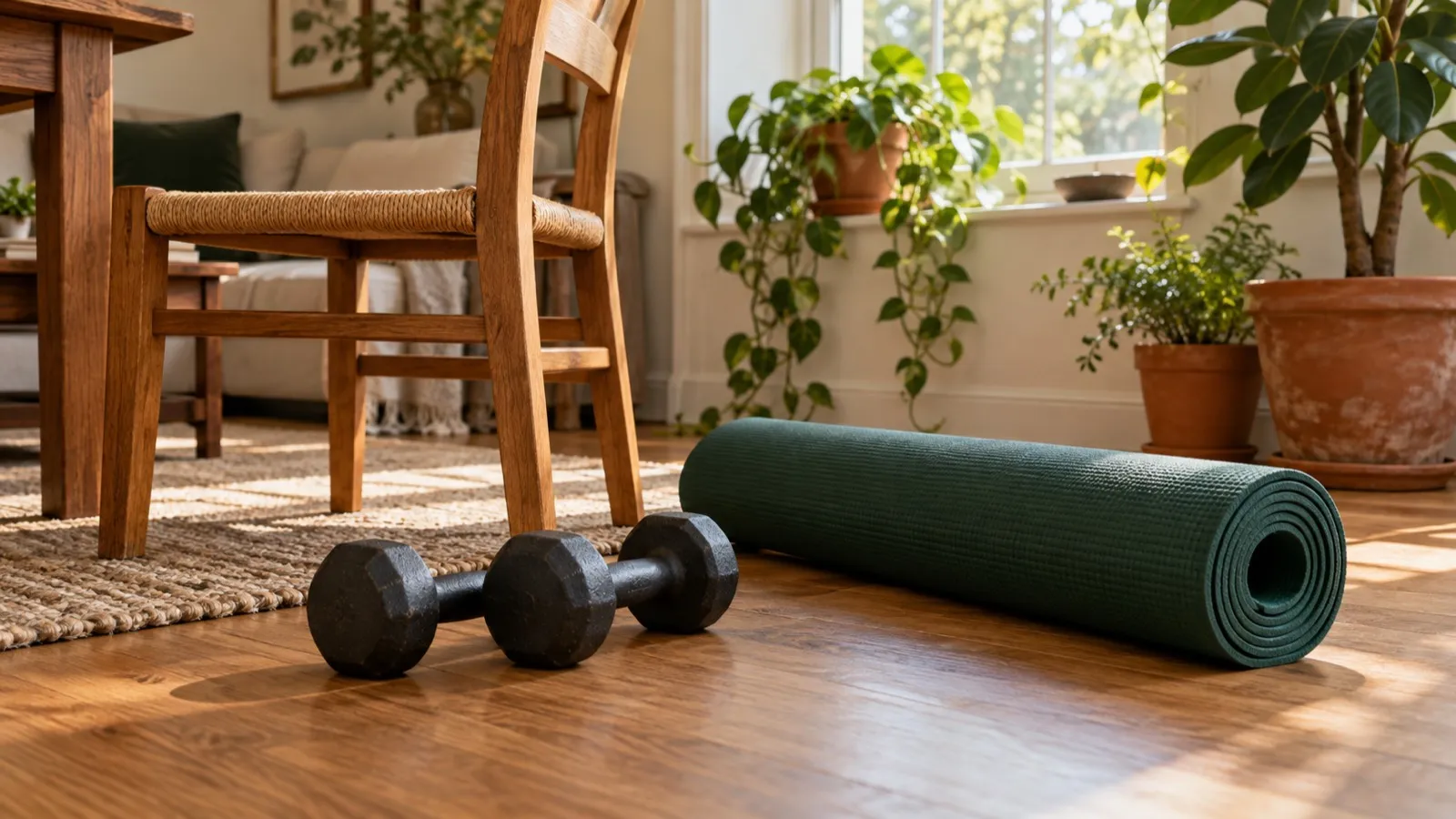
Bands, dumbbells and a home setup
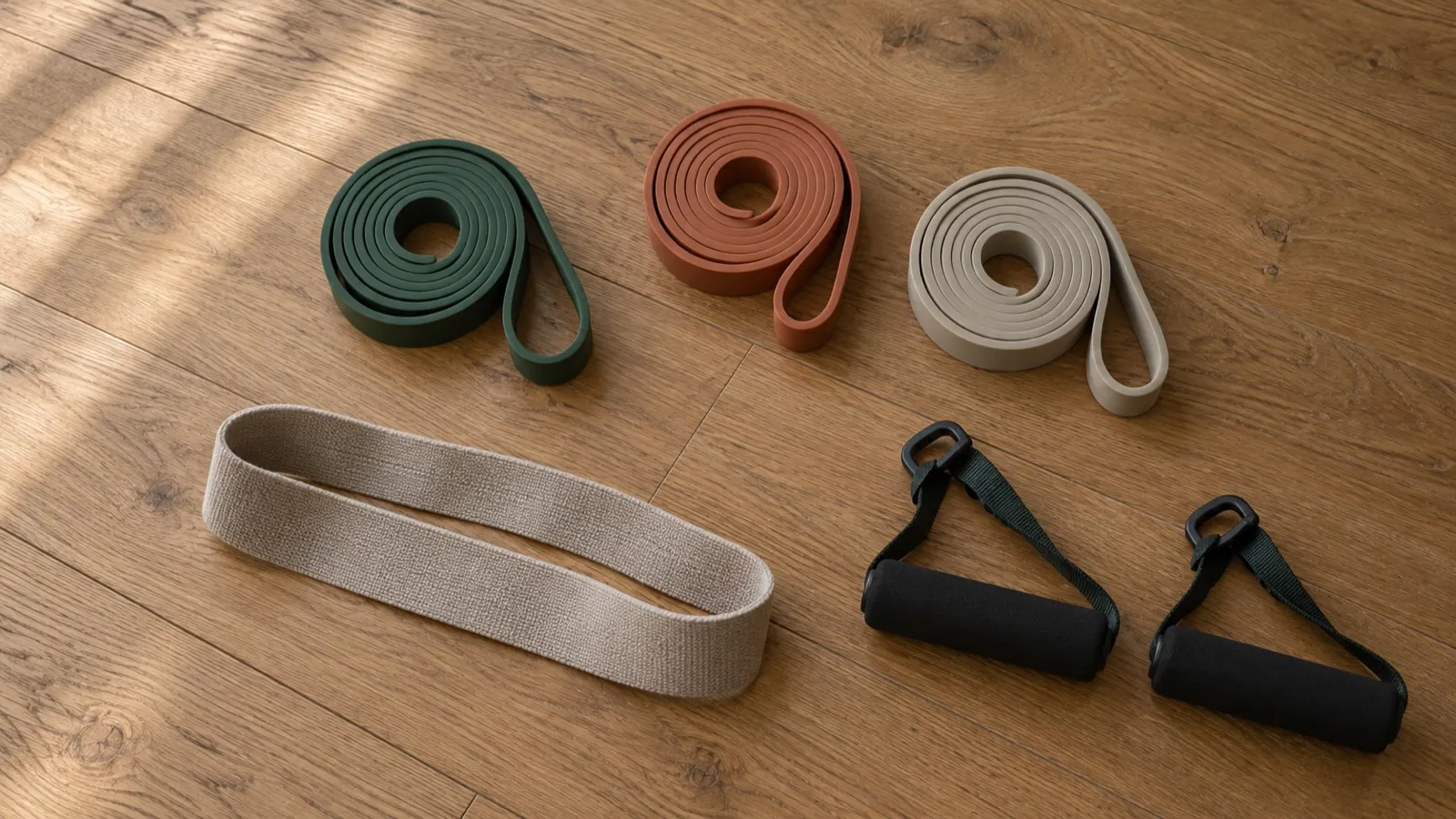
A home setup that fits in a closet, what each band color means and when to move up a weight.
Bands or dumbbells for a 70-year-old? What weight dumbbells should I start with?
Guides on bands, dumbbells and a home setup -
Joints, conditions and medications
Keep training with knee arthritis, back pain, high blood pressure, a new hip or a GLP-1 prescription.
Can I squat with bad knees? How do I keep muscle on Ozempic?
Guides on joints, conditions and medications
Latest guides
- How to Build Muscle After 60: What the Trials Show
Adults over 60 can build muscle. In a 12-week trial of 12 men aged 60 to 72, knee-extensor strength rose 107% and quadriceps area 9.3% (Frontera, 1988). A pooled analysis of 49 studies found an average gain of 1.1 kg lean mass (Peterson, 2011). With heart, bone or kidney disease, ask a clinician first.
- Beginner Strength Training for Women Over 50: Your First 4 Weeks
Beginners over 50 should strength train two days a week, working all major muscle groups (CDC, NHS, WHO). Start with one set of about 10 reps that leaves 4 or more reps in reserve, then build to two sets with 2 in reserve by week 4. If you have osteoporosis, a recent fracture or heart disease, ask a clinician first.
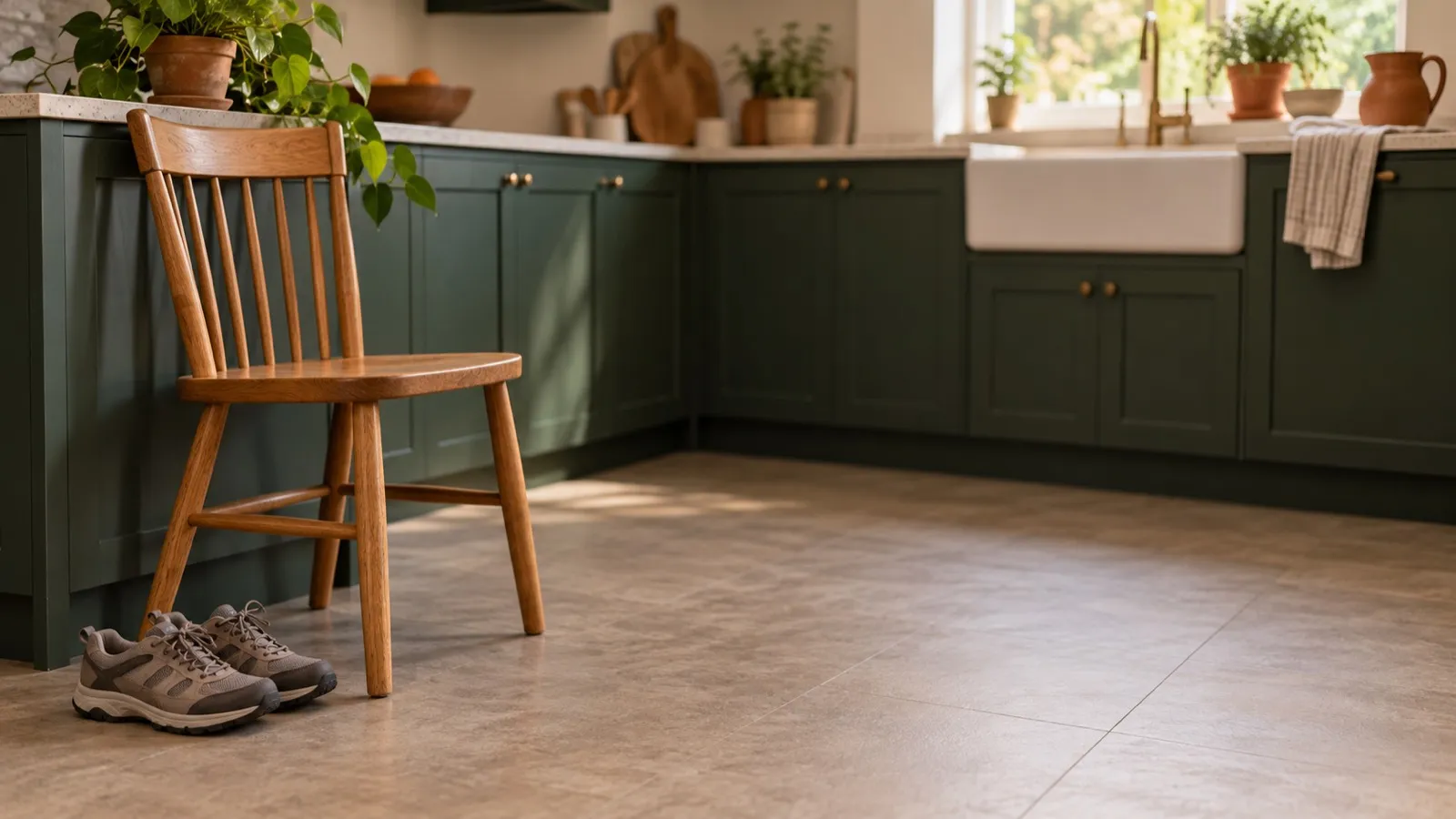
Train at home with a chair and a counter
Most routines here need a sturdy chair, a kitchen counter and some floor space. When a study used special kit, such as the four elastic bands and adjustable step in Penn State's four-minute routine, you get a cheaper way to copy it.
You also see what each trial measured, in people your age, and how big the change was, so you know what to expect from your first month.
How we research every guide
- Primary sources, linked inline. CDC, NHS and WHO guidelines, systematic reviews and randomized trials, next to the claim they back.
- Real numbers. The size of the effect, how many people took part and how old they were.
- Dates you can see. Published and last-checked dates on every guide, and a check date on every source.

Who runs Lift Over 50
Alexander Gusev edits every guide on Lift Over 50. He reads the guidelines and trials behind each answer and turns them into a plan you can follow at home.
Common questions
How often should you strength train after 50?
At least two days a week, working all the major muscle groups. That is the CDC recommendation for adults 65 and older and the NHS guideline for the same age group, alongside 150 minutes of moderate activity a week and some balance work.
Is it too late to start at 60 or 70?
The trials say no. In a Penn State study published in June 2026, 97 adults with an average age of 74 did a four-minute daily routine with bands and a step, and improved their 30-second chair-stand count by 4.2 repetitions compared with people who did nothing new.
Do I need a gym?
No. A sturdy chair, a counter, a few resistance bands and one or two pairs of dumbbells cover a full beginner program. A gym helps later, when you need heavier loads to keep progressing.
When should I check with a doctor first?
Before you start if you have chest pain or dizziness with effort, a recent fracture or surgery, or a newly swollen joint.
Sources: CDC, Older adult activity (page dated Dec 4, 2025); NHS, Physical activity guidelines for older adults; Penn State, four-minute daily workout study (June 9, 2026). All checked Oct 26, 2026.